Fuel is not just a substance you put in your car; it is the energy source needed to fuel runs and race day so you feel strong and powerful from start to finish. Knowing how, when, and what to use during training makes all the difference when stepping up to the start line.
Types of Fuel Options
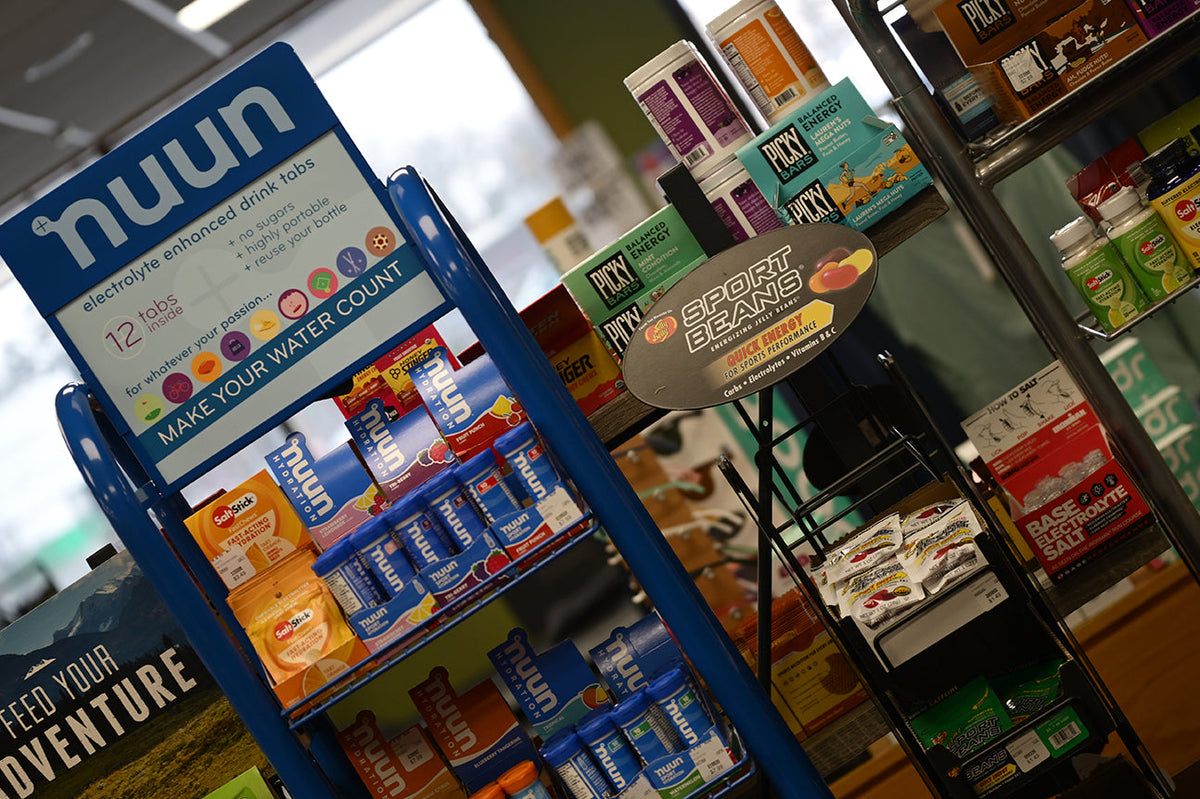
When selecting an in-run fueling strategy, options generally fall into gels, chews or blocks, and carbohydrate-rich fluids. While some runners prefer solid whole foods, real food carries a higher risk of gastrointestinal (GI) distress due to elevated heart rates during running and racing. If solid food is your preference, practicing with it during training is essential.

1. Energy Gels
-
Traditional Gels: Brands like Honey Stinger, Clif, and GU supply concentrated carbohydrates to maintain performance. Traditional gels require consumption alongside ample water or fluid to dilute the carbs and avoid GI distress.
-
Hydrogels: Brands such as Maurten, SiS, Huma, and UCAN package carbohydrates within a fluid structure, requiring less additional liquid for digestion.
-
Race Day Tip: Test gels during long training runs to find what fits your stomach best. If you prefer not to carry many gels on race day, train with the product provided on your race course (for example, the Glass City Marathon features Honey Stinger on course).
2. Chews and Blocks
-
Chews offer a fruit-snack-like consistency and provide a solid chewable alternative to gels.
-
Like traditional gels, chews require sufficient fluid intake to digest smoothly without stomach upset.
-
Practice chewing while running at pace, as different brands require varying chewing efforts.
3. Fueling Fluids vs. Hydration Products
Carbohydrate-electrolyte drinks act as both hydration and liquid energy. These differ significantly from pure hydration supplements (like Liquid I.V. or LMNT), which deliver electrolytes with minimal to no carbohydrates or calories.

When and How Much to Fuel
Fueling during workouts lasting longer than 60 minutes helps prevent dehydration, maintain steady blood sugar levels, and preserve muscular stamina. Carbohydrates feed the brain to keep focus sharp and supply up to 50% of energy needs on race day once glycogen stores begin to drop.
-
Runs lasting 1 to 2.5 hours: Aim for 30–60+ grams of carbohydrates per hour.
-
Runs lasting over 2.5 hours: Target 60–90+ grams of carbohydrates per hour.
-
Train Your Gut: Taking in a gel or chew every 30 minutes can feel surprising at first. Incorporating fuel into regular long runs and tempo sessions trains the digestive system to process carbohydrates smoothly at race effort.
Incorporating Caffeine
Caffeine can serve as an effective tool for boosting mental alertness, concentration, and overall endurance performance.
-
Timing Morning Coffee: Caffeine reaches peak levels in the bloodstream about one hour after consumption. Drink your pre-race coffee at least 60 minutes before the starting gun to maximize its effect.
-
Mid-Race Caffeine Boosts: Taking a caffeinated gel at the start line or taking one every hour during the race maintains focus and wards off mental fatigue.
Caffeine Content by Brand
-
Maurten Gel (with caffeine): 100 mg
-
Clif Shot Gel: 25–100 mg
-
Honey Stinger Gel: 32–75 mg
-
GU Energy Gel: 20–70 mg
Stop by any Dave's Running location to explore fueling options, test brands during your training cycle, and dial in your nutrition strategy long before race day. What fueling method has worked best for your long runs?