Brooks Glycerin 23 Review: Better Fit & Softer Ride
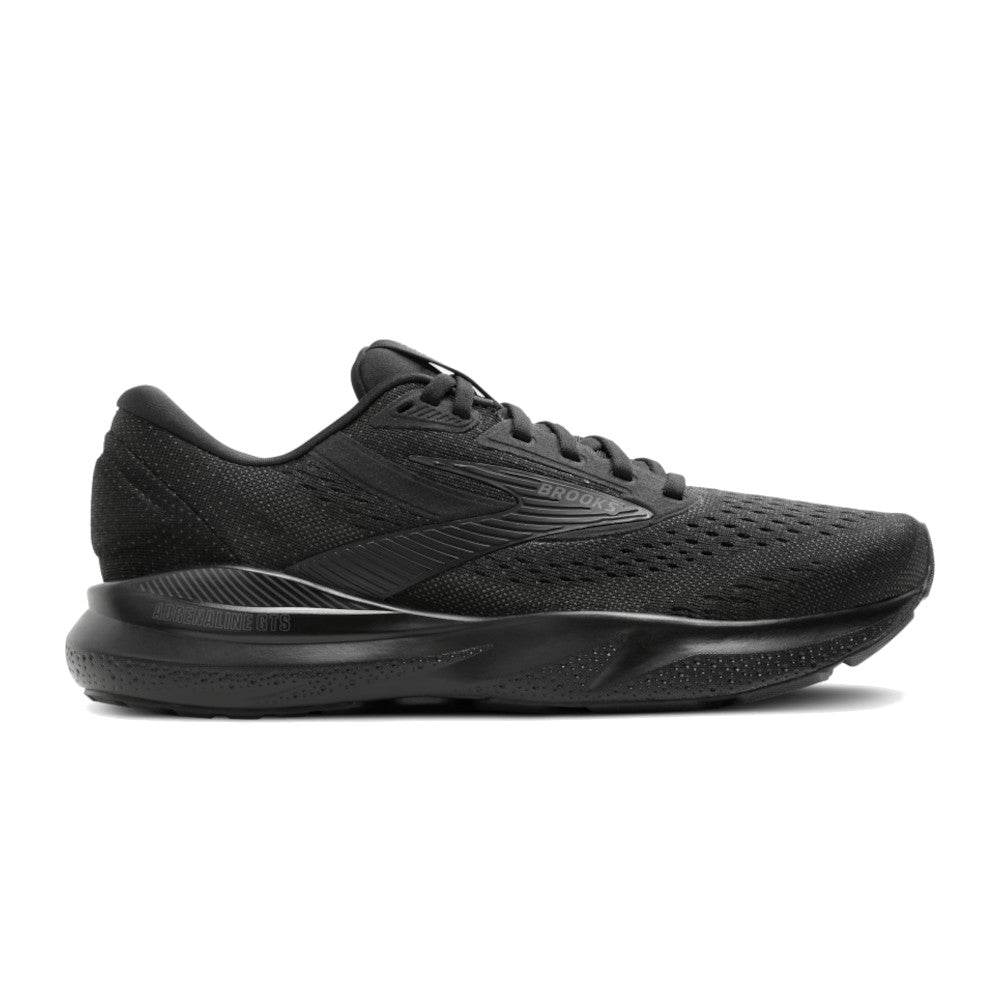
The Brooks Glycerin lineup has grown significantly in recent years. With the addition of the Glycerin Max, Ghost Max, and other high-cushion options, it can be difficult to figure out which model is right for you. In this Brooks Glycerin 23 review, I'll break down the latest updates, how it compares to the Brooks Glycerin 22, and whether this premium cushioned running shoe deserves a spot in your rotation. If you're looking for a neutral running shoe with plenty of cushioning for easy miles, recovery runs, long runs, or all-day comfort, the Brooks Glycerin 23 is worth a closer look. Brooks Glycerin 23 at a Glance Quick Summary Feature Brooks Glycerin 23 Category High Cushion Daily Trainer Support Neutral (GTS version available) Weight 10.6 oz Men's / 9.6 oz Women's Drop 8mm Best For Long Runs, Recovery Runs, Daily Training Ride Feel Soft, Stable, Comfortable Price Premium Daily Trainer Category Pros Improved fit compared to Glycerin 22 Added forefoot cushioning Plush heel construction Durable outsole rubber Excellent long-run comfort Cons Less breathable than previous version Slightly heavier than Glycerin 22 Some runners may experience heel slippage Bottom Line The Brooks Glycerin 23 improves on the Glycerin 22 with a better fit, slightly softer ride, and additional forefoot cushioning. While it faces stiff competition from other premium cushioned running shoes, it remains one of the most dependable daily trainers available. What's New in the Brooks Glycerin 23? Before we can figure out where the updated Glycerin sits, we need to understand the changes Brooks made. Updated Knit Upper The Glycerin 23 features a new triple jacquard wrap-knit upper that feels softer and more durable than the previous version. While comfort improves, breathability takes a small step backward. Runners who tend to run hot may notice less airflow during summer training. More Forefoot Cushioning Brooks added 2mm of foam to the forefoot. While the difference isn't dramatic, it creates a softer ride and improves comfort during longer runs. The added foam also lowers the shoe's drop from 10mm to 8mm. Redesigned DNA Loft v3 Foam The DNA Loft v3 midsole remains nitrogen infused, but Brooks has adjusted the foam structure to improve comfort and impact absorption. The heel feels softer on landing while the forefoot maintains enough structure to keep the ride stable. Brooks Glycerin 23 Fit and Sizing One of the biggest complaints runners had about the Brooks Glycerin 22 was the fit. The shoe ran short, felt shallow through the toe box, and created pressure across the top of the foot for some runners. Fortunately, Brooks addressed those concerns. The Brooks Glycerin 23 fits much more naturally. Length feels true to size, toe box volume has improved, and the upper no longer presses aggressively on top of the foot. Most runners should feel comfortable ordering their normal running shoe size. Brooks Glycerin 23 Performance Review How Does the Brooks Glycerin 23 Feel on the Run? On the run, the Brooks Glycerin 23 provides a soft and comfortable experience. The additional forefoot foam helps smooth out landings while the redesigned DNA Loft v3 foam delivers a gentle bounce that feels more protective than responsive. The shoe shines during: Easy runs Recovery runs Long runs Walking All-day wear I particularly enjoyed the lower 8mm drop and secure heel lockdown. My foot felt stable throughout the run and I never experienced heel slippage. The biggest drawback was heat retention. The updated upper feels warmer than previous versions and airflow is noticeably reduced. Brooks Glycerin 23 vs Brooks Glycerin 22 The Glycerin 23 isn't a complete overhaul, but it's clearly the better version. Improvements Over Glycerin 22 Better fit More toe box volume Softer forefoot cushioning Lower 8mm drop More comfortable upper Drawbacks Compared to Glycerin 22 Less breathable Slightly heavier For most runners, the improved fit alone makes the Glycerin 23 the better choice. Brooks Glycerin 23 vs Brooks Ghost Max 3 Many runners deciding between Brooks' premium trainers will compare the Glycerin 23 and Ghost Max 3. Choose the Glycerin 23 If: You prefer a traditional running shoe feel You want a lower stack height You value versatility Choose the Ghost Max 3 If: You want maximum cushioning You prefer a rocker-based ride Recovery runs are your primary focus Brooks Glycerin 23 vs Hoka Clifton 10 The Hoka Clifton 10 remains one of the Glycerin's biggest competitors. The Clifton offers a lighter and more rockered ride, while the Glycerin 23 provides a more traditional feel with stronger durability and stability. Runners seeking a classic daily trainer may prefer the Glycerin 23, while those wanting a highly cushioned, rolling ride may gravitate toward the Clifton. Who Should Buy the Brooks Glycerin 23? The Brooks Glycerin 23 is best for: Neutral runners Marathon training Long runs Recovery runs Walkers Runners seeking comfort and durability Final Verdict: Is the Brooks Glycerin 23 Worth It? The Brooks Glycerin 23 improves upon nearly every weakness of the Glycerin 22. The fit is better, the ride is softer, and the overall comfort level is improved. While the shoe gains a little weight and sacrifices some breathability, Brooks successfully delivers a more refined daily trainer. It may not be the softest shoe in the max-cushion category, but it continues to offer the combination of durability, stability, and comfort that Brooks is known for. For runners looking for a dependable cushioned running shoe for everyday mileage, the Brooks Glycerin 23 remains one of the strongest options on the market. Brooks Glycerin 23 FAQ Is the Brooks Glycerin 23 good for marathon training? Yes. The Glycerin 23 is designed for high-mileage training, long runs, and recovery days. Does the Brooks Glycerin 23 fit true to size? Yes. The fit is improved compared to the Glycerin 22 and most runners should order their normal size. Is the Brooks Glycerin 23 good for walking? Absolutely. The plush cushioning and durable construction make it an excellent walking shoe. What's the difference between the Brooks Glycerin 23 and Ghost Max? The Glycerin 23 offers a more traditional ride while the Ghost Max provides a higher-stack, max-cushion experience. Is the Brooks Glycerin 23 a stability shoe? No. The standard model is neutral. Runners needing additional support should consider the Brooks Glycerin GTS 23. How many miles will the Brooks Glycerin 23 last? Most runners can expect between 400-500 miles thanks to Brooks' durable outsole rubber and resilient midsole foam.
Learn moreBrooks Ghost 18 Review: The Reliable Daily Trainer Gets Better
Looking for a dependable daily trainer that can handle everything from easy miles to long runs? In this Brooks Ghost 18 review, I'll cover the fit, ride, updates from the Ghost 17, and whether this popular running shoe deserves a spot in your rotation. Brooks Ghost 18 At a Glance Category: Daily TrainerSupport: NeutralWeight: 10.2 oz (Men's) / 9.2 oz (Women's)Drop: 10mmBest For: Daily training, easy runs, walking, long runsRide Feel: Smooth, cushioned, and reliablePros: Improved fit, comfortable upper, versatile ride, great durabilityCons: Runners seeking a highly energetic or max-cushioned ride may prefer other options Brooks Ghost 18 Review If I had to describe the Brooks Ghost with one word, I would say reliable! For years, the Brooks Ghost has been one of the most trusted daily trainers on the market. Runners know what they're getting: comfort, durability, and a smooth ride that can handle just about any type of run. When Brooks released the Ghost 17, they made some of the biggest updates the line had seen in years. While the changes took some getting used to for longtime fans, Brooks clearly wasn't afraid to innovate and try something new. Now, with the Brooks Ghost 18, I think Brooks has found a great balance between modernizing the shoe and maintaining the dependable feel that made the Ghost so popular in the first place. While it doesn't completely return to the fit and shape of older models, the Ghost 18 builds on what worked in the Ghost 17 and refines several areas that runners were paying close attention to. What's New in the Brooks Ghost 18? One of the biggest updates to the Brooks Ghost 18 is the fit of the upper. The shoe still features a slightly more streamlined toe box than older Ghost models, but Brooks has done an excellent job creating more room through the forefoot. The result is a fit that feels comfortable and accommodating without sacrificing the secure lockdown that many runners appreciate. Brooks also appears to have fine-tuned the sizing. The Brooks Ghost 18 feels more natural on foot and provides a more dialed-in fit right out of the box. It's a subtle improvement, but one that many runners will notice immediately. My favorite update has to be the new flat, flexible tongue. It sits comfortably across the top of the foot, stays in place during runs, and provides just enough cushioning to keep the laces comfortable. Brooks has used similar designs in some of their faster shoes, so it's exciting to see that technology make its way into one of their most popular daily trainers. The new triple jacquard mesh upper is another welcome addition. It gives the shoe a more premium look while maintaining the breathability and comfort runners expect from the Ghost. Combined with the DNA Loft v3 midsole, the ride feels soft, smooth, and surprisingly responsive for a daily trainer. Brooks Ghost 18 Fit and Sizing One of the most common questions runners have is whether the Brooks Ghost 18 fits true to size. Compared to the Ghost 17, the Ghost 18 feels more dialed in and natural. The additional room in the forefoot allows the shoe to feel accommodating without becoming sloppy, while the heel and midfoot remain secure throughout the run. Most runners should be comfortable ordering their normal running shoe size. If you found the Ghost 17 slightly long, you'll likely appreciate the refinements Brooks made with the Ghost 18. Brooks Ghost 18 Performance Review: On the Run Of course, none of the updates matter if the shoe doesn't feel good once you start running. The Brooks Ghost 18 delivers exactly what most runners expect from the Ghost line: a smooth, comfortable ride that disappears on your foot. From the first few steps, the DNA Loft v3 foam provides a soft landing without feeling overly squishy. There is enough cushioning to keep easy miles comfortable, but the shoe still has enough responsiveness to pick up the pace when needed. What impressed me most was how natural the transition feels from heel strike to toe-off. The Ghost has never been a flashy shoe, and the 18 doesn't try to be one. Instead, it focuses on creating a consistent ride that feels reliable mile after mile. Whether I was heading out for an easy recovery run or knocking out a longer training session, the shoe felt stable and predictable. The updated upper also shines once you're moving. The extra room in the forefoot allows your foot to spread naturally throughout the run, while the heel and midfoot remain secure. Combined with the flexible tongue, the entire package feels comfortable without requiring much adjustment. Runners looking for a super-soft max-cushion shoe or an aggressive speed trainer may want something different. However, for those who want a dependable daily trainer that can handle most of their weekly mileage, the Brooks Ghost 18 continues to do what the Ghost has always done best: make running feel easy. Brooks Ghost 18 vs Ghost 17 The biggest difference between the Brooks Ghost 18 and Ghost 17 is refinement. While the Ghost 17 introduced a new fit and feel for the franchise, the Ghost 18 builds on those changes and improves the overall experience. The forefoot feels more accommodating, the sizing feels more consistent, and the new tongue design enhances comfort. If you enjoyed the Ghost 17, you'll likely appreciate the improvements found in the Ghost 18. If you were hesitant about the Ghost 17's fit, the Ghost 18 may be worth another look. Brooks Ghost 18 vs Hoka Clifton 10 The Brooks Ghost 18 and Hoka Clifton 10 both compete in the daily trainer category, but they offer different experiences. The Ghost 18 provides a more traditional running shoe feel with a balanced amount of cushioning and a stable ride. The Clifton 10 offers a softer, more cushioned experience that many runners prefer for recovery days and high-mileage training. Runners looking for a dependable all-around trainer may gravitate toward the Ghost 18, while those seeking maximum cushioning may prefer the Clifton 10. The Final Verdict The Brooks Ghost 18 feels like a confident step forward for the franchise. Brooks listened to feedback, refined the fit, and delivered a shoe that remains true to the dependable identity that Ghost fans have loved for years. Whether you're a longtime Ghost runner or someone looking for a comfortable everyday trainer, the Brooks Ghost 18 deserves serious consideration. It stacks up well against other popular options in the category and continues to prove why it's one of the most trusted names in running. For runners who may have been unsure about recent updates to the line, I think the Brooks Ghost 18 is worth a look. Brooks continues to show why they're one of the most consistent brands in the industry, and the Ghost 18 is another example of that commitment to improvement. It may not be the flashiest shoe on the wall, but it delivers exactly what a daily trainer should: comfort, reliability, and a ride that keeps you coming back for more miles. Brooks Ghost 18 FAQ Is the Brooks Ghost 18 good for beginners? Yes. The Brooks Ghost 18 offers a comfortable, stable ride that works well for both new and experienced runners. Does the Brooks Ghost 18 fit true to size? For most runners, yes. Brooks refined the fit compared to the Ghost 17, resulting in a more natural and consistent sizing experience. Is the Brooks Ghost 18 good for walking? Absolutely. The comfortable cushioning and durable construction make it a strong option for walking and all-day wear. Who should buy the Brooks Ghost 18? The Brooks Ghost 18 is ideal for runners looking for a reliable daily trainer capable of handling easy runs, long runs, and everyday mileage.
Learn moreGarmin Watch Comparisons
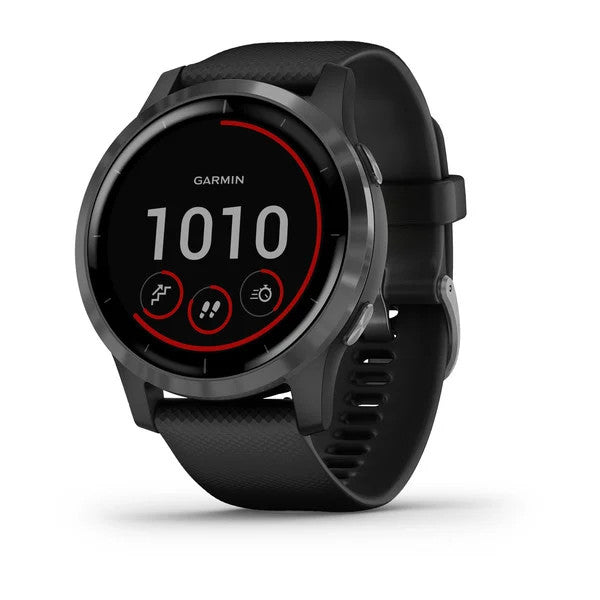
Garmin Forerunner vs. Garmin Fenix vs. Garmin Vivoactive: Which GPS Watch Is Best for Runners? When it comes to fitness smartwatches, Garmin has established itself as one of the most trusted brands among runners, athletes, and outdoor enthusiasts. However, with multiple product lines available, choosing the right Garmin watch can be confusing. Three of the most popular options are the Garmin Forerunner, Garmin Fenix, and Garmin Vivoactive. While all three watches offer GPS tracking, heart rate monitoring, and fitness insights, they are designed for different types of users. Understanding their strengths and weaknesses can help you determine which watch best fits your training goals. Garmin Forerunner: Built for Runners The Garmin Forerunner series is specifically designed for runners and endurance athletes. Whether you're training for a 5K, marathon, or triathlon, the Forerunner provides advanced performance metrics that help improve training and recovery. Best For Dedicated runners, marathoners, triathletes, and athletes who prioritize training data and performance improvement. Key Features Advanced running dynamics GPS pace and distance tracking VO2 Max estimation Training readiness and recovery insights Race predictions Lightweight design Long battery life PROS CONS Designed specifically for runners Less rugged than the Fenix Lightweight and comfortable for long runs Fewer Outdoor Adventure features Excellent training metrics More focused on performance than lifestyle Typically more affordable than the Fenix - Available in models ranging from beginner to elite athlete - Garmin Fenix: The Ultimate Adventure Watch The Garmin Fenix series combines advanced fitness tracking with premium outdoor navigation and rugged durability. It's often considered Garmin's flagship multisport watch. Best For Trail runners, ultra-marathoners, hikers, outdoor adventurers, and athletes who want the most comprehensive fitness and navigation package available. Key Features Advanced running and training metrics Multi-band GPS for superior accuracy Topographic maps and navigation Altimeter, barometer, and compass Extreme battery life Sapphire glass and titanium options Support for hiking, skiing, trail running, cycling, swimming, and more PROS CONS Most feature-rich Garmin watch line Higher Price Point Exceptional Durability Heavier than the Forerunner Superior Navigation capabilities Many features may be unnecessary for Casual users Excellent for trail runners/outdoor - Premium Build quality - Garmin Vivoactive: Fitness and Lifestyle Balance The Garmin Vivoactive series is designed for users who want fitness tracking without the complexity of a dedicated sports watch. It blends health monitoring, smartwatch features, and basic sports tracking into a more affordable package. Best For Casual runners, fitness enthusiasts, and users seeking a smartwatch that balances health tracking with everyday convenience. Key Features GPS tracking Heart rate monitoring Sleep and stress tracking Step counting and activity tracking Smart notifications Music support Fitness apps for running, cycling, strength training, yoga, and more PROS CONS User-friendly Interface Limited Advanced Running Metrics Strong Everyday Smartwatch Features Less Detailed Training Analysis More Affordable than Forerunner and Fenix Not Ideal for Serious Endurance Athletes Excellent health and Wellness tracking - Running Performance Comparison When evaluating these watches specifically for running, the differences become much clearer. Feature Forerunner Fenix Vivoactive GPS Accuracy Excellent Excellent Very Good Running Dynamics Advanced Advanced Basic Training Readiness Yes Yes No Recovery Metrics Yes Yes Limited Race Prediction Yes Yes No Weight for Running Lightweight Heavier Lightweight Trail Navigation Limited Excellent Basic Price Mid-range Premium Budget-Friendly Which Garmin Watch Is Best? Best Overall for Runners: Garmin ForerunnerFor most runners, the Garmin Forerunner strikes the ideal balance between performance, comfort, battery life, and price. It offers nearly all the training tools needed to improve race times and monitor recovery while remaining lightweight enough for daily use. Best Premium Option: Garmin FenixIf budget is not a concern and you frequently participate in trail running, hiking, or outdoor adventures, the Garmin Fenix is the most capable watch in Garmin's lineup. Its navigation features, rugged construction, and multisport capabilities make it a powerhouse for serious athletes. Best Value for Everyday Fitness: Garmin VivoactiveThe Garmin Vivoactive is perfect for users who want reliable fitness tracking and smartwatch functionality without the complexity or cost of a performance-focused sports watch. Final Verdict While all three Garmin watches are excellent, the best choice depends on your goals. If your primary focus is running performance, the Garmin Forerunner is the clear winner. It provides advanced running metrics, lightweight comfort, and excellent battery life at a more accessible price point. The Garmin Fenix is the best choice for athletes who split their time between running and outdoor adventures and want premium features regardless of cost. The Garmin Vivoactive serves as a strong entry point for casual runners and fitness enthusiasts who want health tracking and smartwatch convenience without the need for elite-level training insights. For the majority of runners, however, the Garmin Forerunner delivers the best combination of performance, tracking accuracy, comfort, and value, making it the top recommendation in Garmin's lineup.
Learn more