Numbers Don't Lie
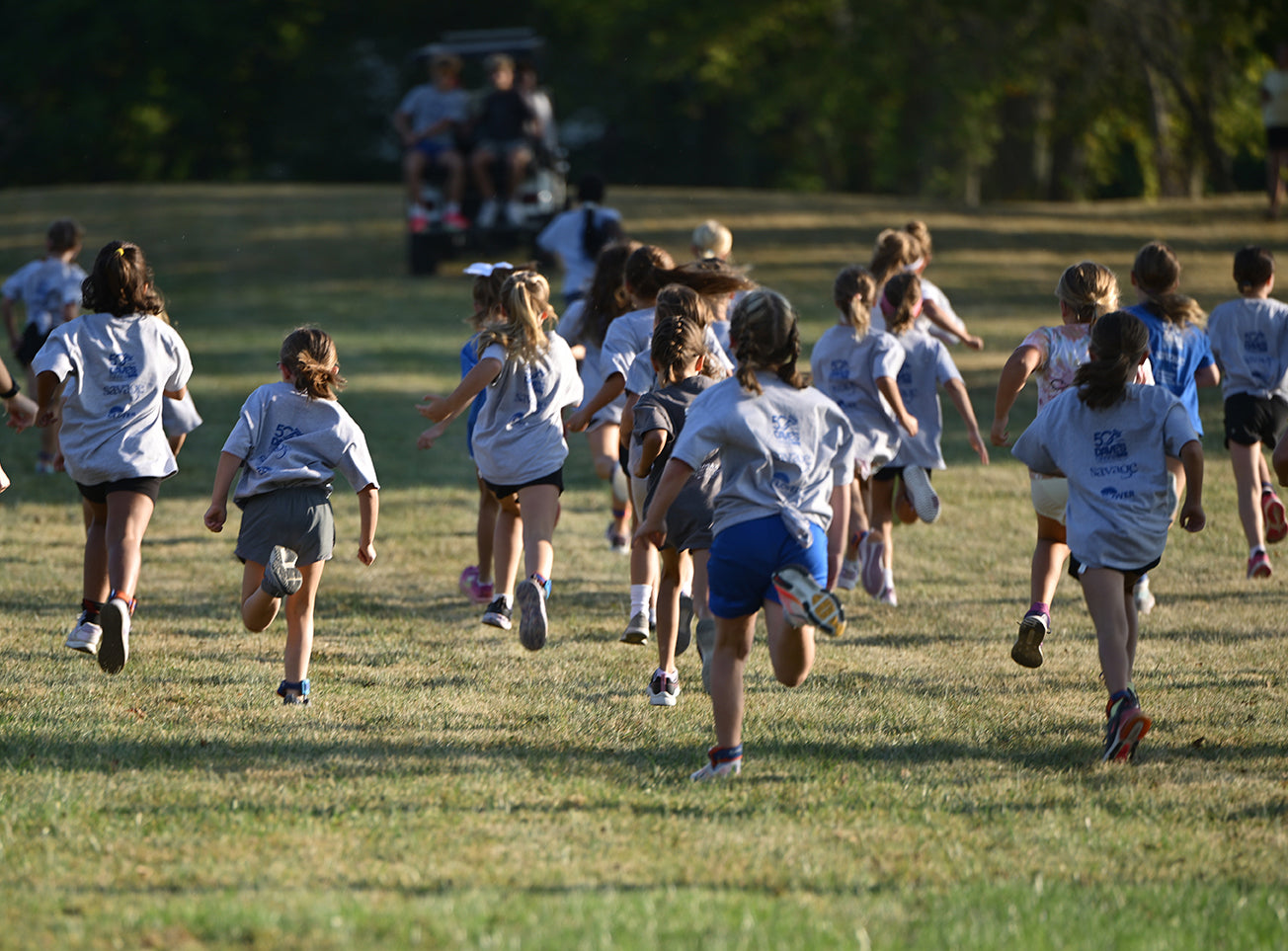
Ask high school cross country coaches across Northwest Ohio what's changed in their programs over the last several years, and a lot of them will point to the same thing: elementary cross country. At Perrysburg, the boys' team now has around 80 runners and the girls' team around 90 — with the junior high program pushing nearly 100 kids of its own. At Anthony Wayne, numbers have grown enough that the team is now, in the words of one coach, "someone to mess with" at regional meets. At Sylvania, the Northview program has seen its numbers double. None of that happened by accident. Coaches across the region point to the same root cause: kids who grew up running Dave's Elementary Cross Country Series arrive at middle school and high school already knowing what cross country is, already comfortable on a starting line, and already excited to keep going.

Filling a Gap Nobody Else Was Filling
For a lot of Northwest Ohio kids, cross country used to be a mystery until middle school — something older kids did in the fall if they weren't playing football, with no real introduction beforehand. Soccer, basketball, and football all had youth leagues built to introduce the sport early. Running mostly didn't. Elementary Cross Country closed that gap. By the time a class of kids who ran the series in elementary school reaches high school, they're not walking into a foreign sport — they're walking into something they already have four or five years of positive history with.
More Than Just Bigger Rosters
The impact isn't only about team size. Teachers and PE staff running school-based running clubs have reported clubs so popular they sometimes have to turn kids away simply because there aren't enough parent volunteers to supervise everyone who wants to join. At some schools, once cross country season arrives, participation grows so much that everyone interested in running is funneled straight into the Elementary Cross Country Series meets. The increasing numbers shows up again at the high school level — not just in the number of kids on a roster, but in the depth of competitive teams that used to struggle to field enough runners to compete at all.
A Pipeline Built on Belonging, Not Recruiting
It's worth being clear about what this pipeline actually is. It isn't about pulling kids into running so a school can win more meets. It's about giving every kid in Northwest Ohio a real, low-pressure introduction to a sport they might otherwise never try — and if that introduction happens to also build stronger, deeper high school programs along the way, that's a welcome result of doing right by kids first. Some of those kids will run varsity cross country. Some will run one season and move on to another sport. Some will simply carry a lifelong appreciation for running that started with a ribbon and a half-mile course behind their elementary school. Every one of those outcomes is a win — for the kid, and for the running community they're now part of.
Ready to start finding your school's Program?